News

News

News

What We Heard in Texas About AI, Consumer Insights, and Faster Decision-Making

From Dallas meetings with major brands and civic leaders to Brett Bennett speaking on stage during SXSW week in Austin, Delineate’s time on the UK Department for Business and Trade mission to Texas revealed what organizations are really asking for now: faster, decision-ready insight they can trust. 

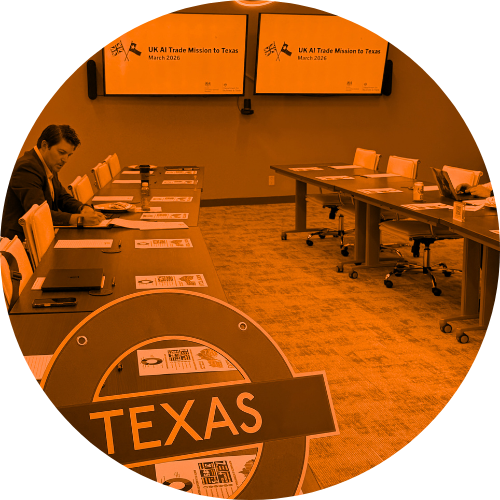
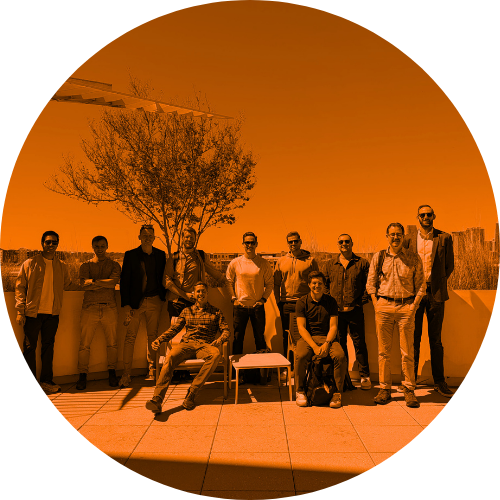
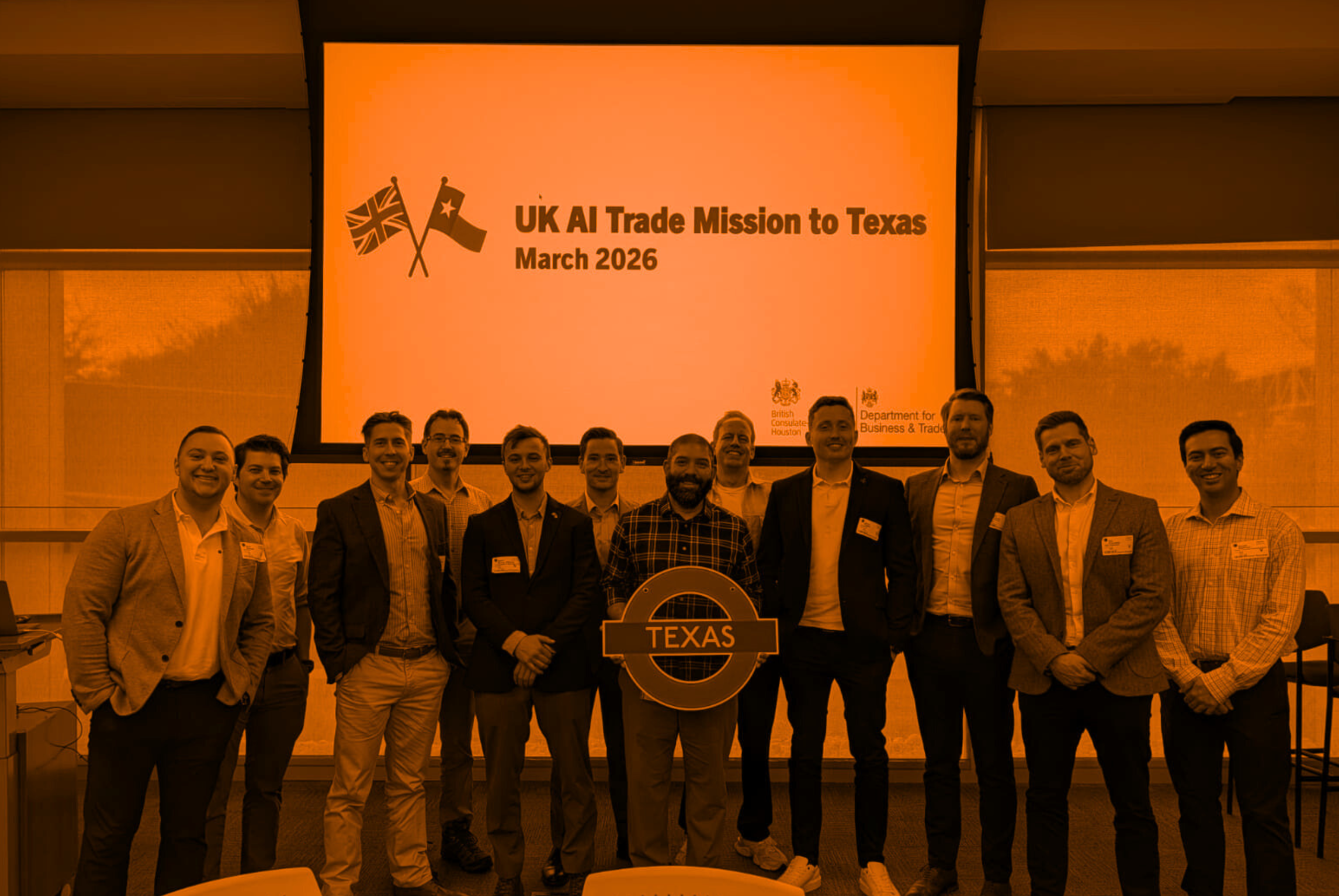
Last week, Delineate was in Texas as part of the UK Department for Business and Trade mission, represented by Brett Bennett across a packed schedule in Dallas and Austin. The delegation included Delineate, AdargaCognaFYLDSafepointSAIF AutonomySynthesia, and Tyk, bringing together a strong cross-section of UK AI companies for a week of high-level meetings, presentations, and conversations with major brands, investors, and senior state, civic, and business leaders across Texas. 

For DBT, the mission was about putting UK AI companies in front of major US businesses and showing what the UK is building in AI. More than 150 companies applied, with only nine being selected for this year’s mission. Delineate was invited back after taking part last year, having the chance to get again in front of the kinds of brands and retailers we want to be talking to, in a setting where people were ready to hear a different approach. 

Dallas to Austin


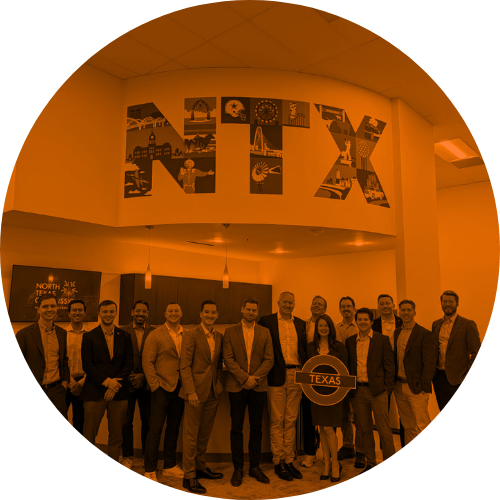
The week started in Dallas. At the North Texas Commission, the delegation heard from regional leaders focused on growing the Dallas-Fort Worth area and bringing in new business. PepsiCo was part of that session too, with discussions around supply-chain innovation and the role UK technology is already playing there.  

From there, the group went to the City of Dallas, where the conversation turned to AI adoption, internal optimization, and how the city is thinking about growth. Because Dallas is a FIFA World Cup host city, one useful angle for Delineate was how a city might use faster feedback to understand what is drawing people in and how its messaging is landing. 

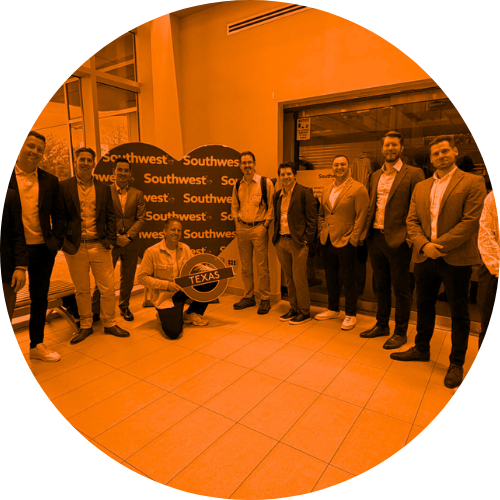
There were also meetings at Southwest Airlines, where Brett and the delegation met senior AI leaders across different functions and pitched Delineate to a wider internal audience. The group also spent time at J.P. MorganDallas Regional Chamber, and AT&T Ventures. What mattered most was the mix of conversations in a short space of time. In Dallas alone, Delineate was in the room with civic leaders, investors, economic development teams, and major operators. 

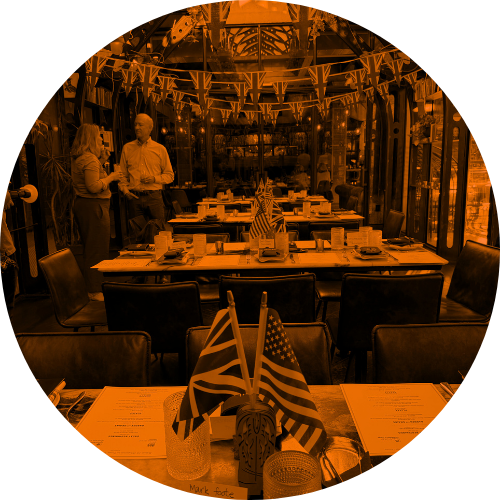
From there, the group headed to Austin. On arrival, DBT hosted a VIP dinner with members of local government, Austin community leaders, investors, brand contacts, and the CEO and co-founder of SXSW. Brett came away with a stronger sense of the scale of SXSW and the role it plays in Austin’s wider innovation economy. Today, it is a two-week festival that draws around 400,000 people. 

The next day included H-E-B’s innovation lab and Oracle. At H-E-B, the conversation was about the store of the future, including autonomous checkout, delivery, and other ways the grocer is using AI and new technology to stand out. At Oracle, the discussion focused on AI innovation at enterprise scale and how those conversations are shaped by government relationships.  

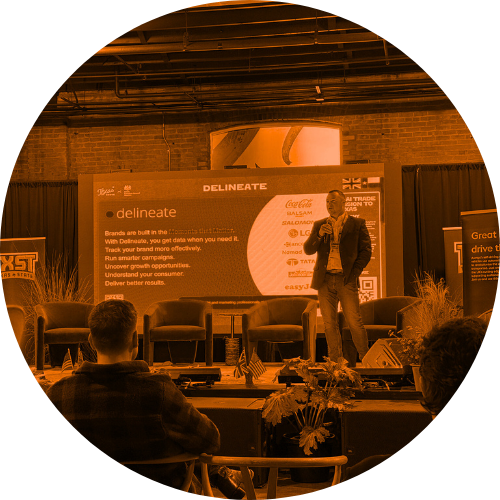
Friday was the showcase. DBT organized an event with about 190 attendees, opened by the Consulate General, before the delegation companies presented. Brett spoke on stage during SXSW week, putting Delineate in front of a live audience of brands, partners, and decision-makers.  

The day rolled into the Brits and Boots Brunch, where each company had its own station for one-to-one conversations, and later into the UK House VIP opening night party. That event brought together around a dozen UK delegations and a larger Austin crowd, with remarks from the mayor of Austin and the Consulate General before the music program began. That was one of the most heavily RSVP’d events of SXSW, drawing several hundred people. 

What resonated


What seemed to land most in Brett’s pitch was the contrast with traditional research.  

“If you ask people to describe a brand interaction months after it happened, you are going to get broad recall. If you ask them much closer to the moment, you get something more specific and more useful.”  

Brett said the points that resonated most were speed, accuracy, data quality, scalability, and actionability. The question he heard again and again was how Delineate is able to get consumer response that quickly in the first place. 

One of the more interesting parts of the week was where that message landed. Brett expected interest from consumer brands and retailers. What he did not expect was how much interest would come from public-sector and civic organizations. In those conversations, the “consumer” is not always a shopper. It can be a citizen, a visitor, a future resident, or a member of the local community.  

That opened up a different frame for Delineate’s work, one that goes beyond brands and into how cities and regions understand growth, perception, and what is bringing people in. 

What Texas reinforced


What Texas reinforced is that the market is moving past the idea that speed alone is impressive. The real demand is for insight that is fast, credible, specific, and useful enough to shape action across more than one function.  

That is where Delineate stood out in these conversations. Not because “real time” sounds good on a slide, but because people could immediately see the gap between delayed recall and understanding the moment while it is still fresh enough to do something with it. 

If you want to hear more about the trip, or about the questions large businesses are asking right now about the future of consumer insights and marketing analytics, get in touch.


Join our Newsletter